
Best Flooring For Houston Homes With Humidity
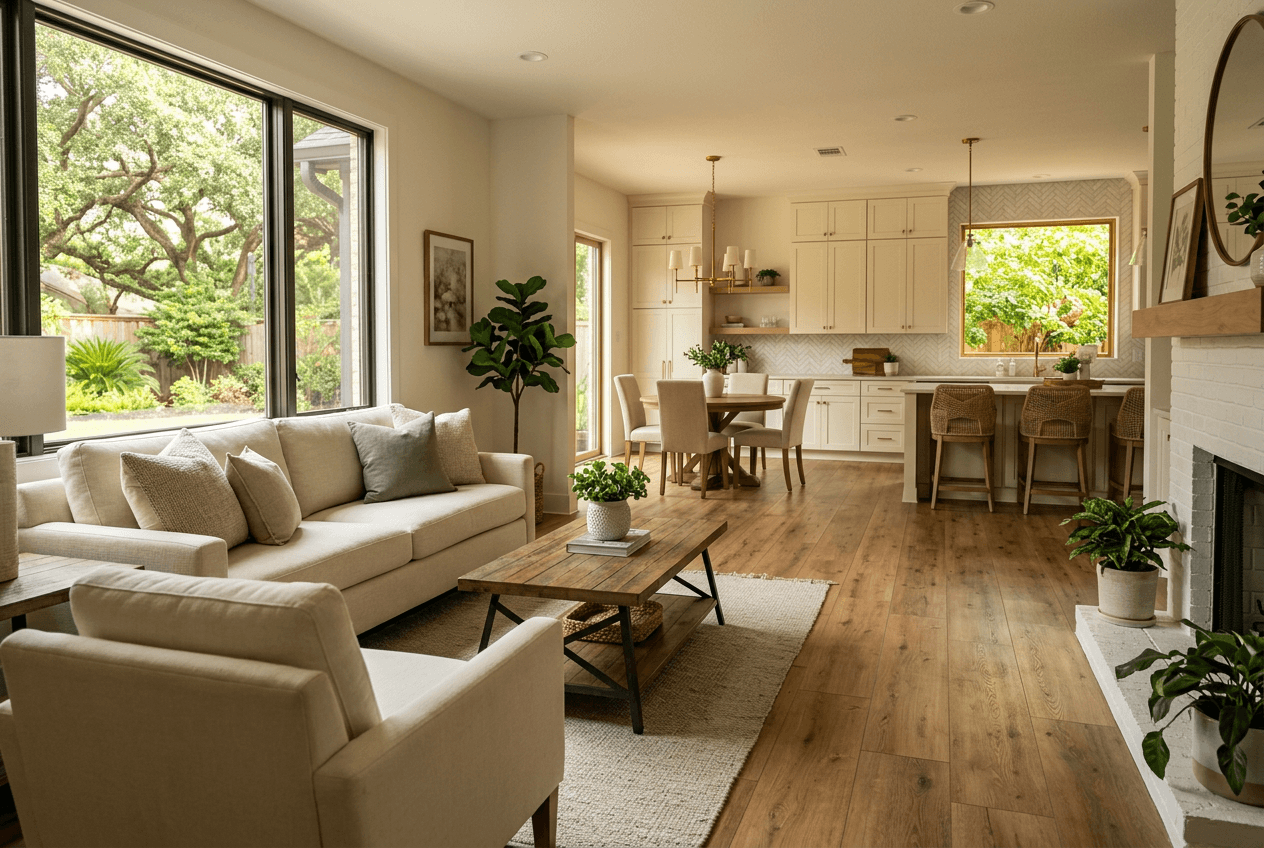
Before comparing materials, it helps to understand what the local climate actually does to a floor. Most flooring failures in Houston homes are moisture failures, and they trace back to the same handful of environmental pressures.
The Coastal Subtropical Climate Challenge
The Houston area sits in a Gulf coastal subtropical zone. Average humidity ranges from 60 to 90 percent for most of the year, with summer stretches routinely spending days at a time above 85 percent. That constant moisture in the air combines with heat, occasional flooding events, and a heavy hurricane season to punish materials that were never engineered for these conditions.
Homes throughout the metro area sit on concrete slabs rather than crawl spaces or basements. Slab construction is efficient and stable, but it also means moisture from the ground can wick up into flooring directly unless a proper vapor barrier and moisture tested slab are in place before installation.
What Humidity Does To Common Flooring
Solid hardwood expands and contracts with every humidity swing. In Houston, that seasonal movement is significant enough to cause cupping, crowning, and gapping over time even with careful acclimation. Laminate flooring absorbs moisture at the edges and swells at the seams. Traditional carpet in wet or humid spaces holds moisture in the pad, which supports mold and mildew growth. Even ceramic tile can fail if the grout and substrate are not properly waterproofed, though the tile itself is fine.
These failures rarely happen in the first year. Most show up between years two and five, which is why so many Houston homeowners end up replacing floors twice inside a decade. Choosing the right material the first time prevents that cycle entirely.
What To Look For In Houston Ready Flooring
Three properties matter most for a Houston floor. First, low dimensional movement, meaning the material does not expand and contract with humidity changes. Second, moisture resistance at both the surface and the core of the plank or tile. Third, a substrate compatible installation method, meaning the material can bond safely to a concrete slab with the right moisture mitigation.
Materials that check all three boxes are the ones that hold up long term. Everything else is a compromise that will show its limits in a Houston home eventually.
Best Flooring Types For Houston Homes
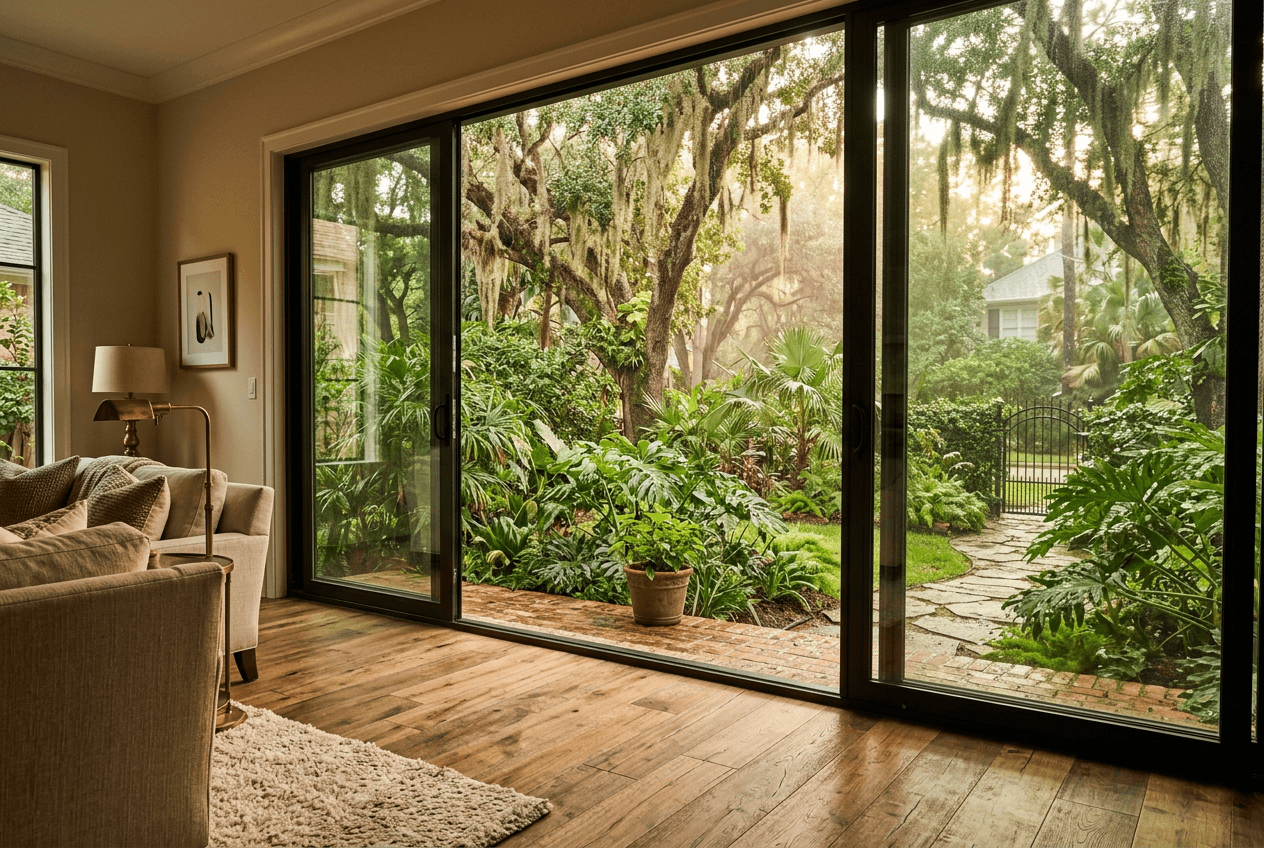
Three flooring materials dominate the recommendations in a Houston area full interior remodel because they perform consistently in the local climate. Each has a slightly different sweet spot.
Luxury Vinyl Plank And Rigid Core LVP
Luxury vinyl plank, especially rigid core LVP with a stone plastic composite (SPC) or wood plastic composite (WPC) core, has become the top recommendation for Houston homes over the last several years. It is fully waterproof, dimensionally stable through humidity swings, comfortable underfoot, and comes in convincing wood and stone visuals at a wide price range.
Rigid core LVP installs as a click lock floating floor over most substrates, which simplifies installation on a Houston slab. It handles standing water for hours without damage, so it is ideal for kitchens, bathrooms, and any wet area. Cost typically runs $3 to $8 per square foot installed for standard lines, with premium designer options reaching $10 to $12 per square foot.
Porcelain Tile And Large Format Tile
Porcelain tile is the toughest, most water resistant flooring option available. It is essentially impervious to moisture, handles heat well, and comes in visuals that convincingly mimic wood, natural stone, concrete, and marble. In a Houston home, porcelain is the right pick for wet areas, high traffic zones, and anywhere durability matters most.
Large format tiles (24 by 48 inches or larger) create a modern seamless look with fewer grout lines, which is both easier to clean and more visually forgiving. Installed cost typically runs $8 to $15 per square foot depending on tile selection and pattern complexity. For more on tile installation specifically, see our guide on how to lay tile floors in Houston kitchens.
Engineered Hardwood For Living And Bedroom Areas
If you want the look and feel of real wood in a Houston home, engineered hardwood is the correct choice, not solid hardwood. Engineered hardwood has a real wood veneer bonded to a stable plywood or high density fiberboard core, which reduces the dimensional movement that plagues solid hardwood in humid climates.
Engineered hardwood performs well in living rooms, dining rooms, and bedrooms where standing water is not a concern. It is not appropriate for bathrooms, laundry rooms, or areas near exterior doors that see frequent water tracking. Installed cost typically runs $8 to $15 per square foot for standard engineered lines, with premium wide plank options reaching $18 to $25 per square foot.
Room By Room Flooring Choices For A Houston Home
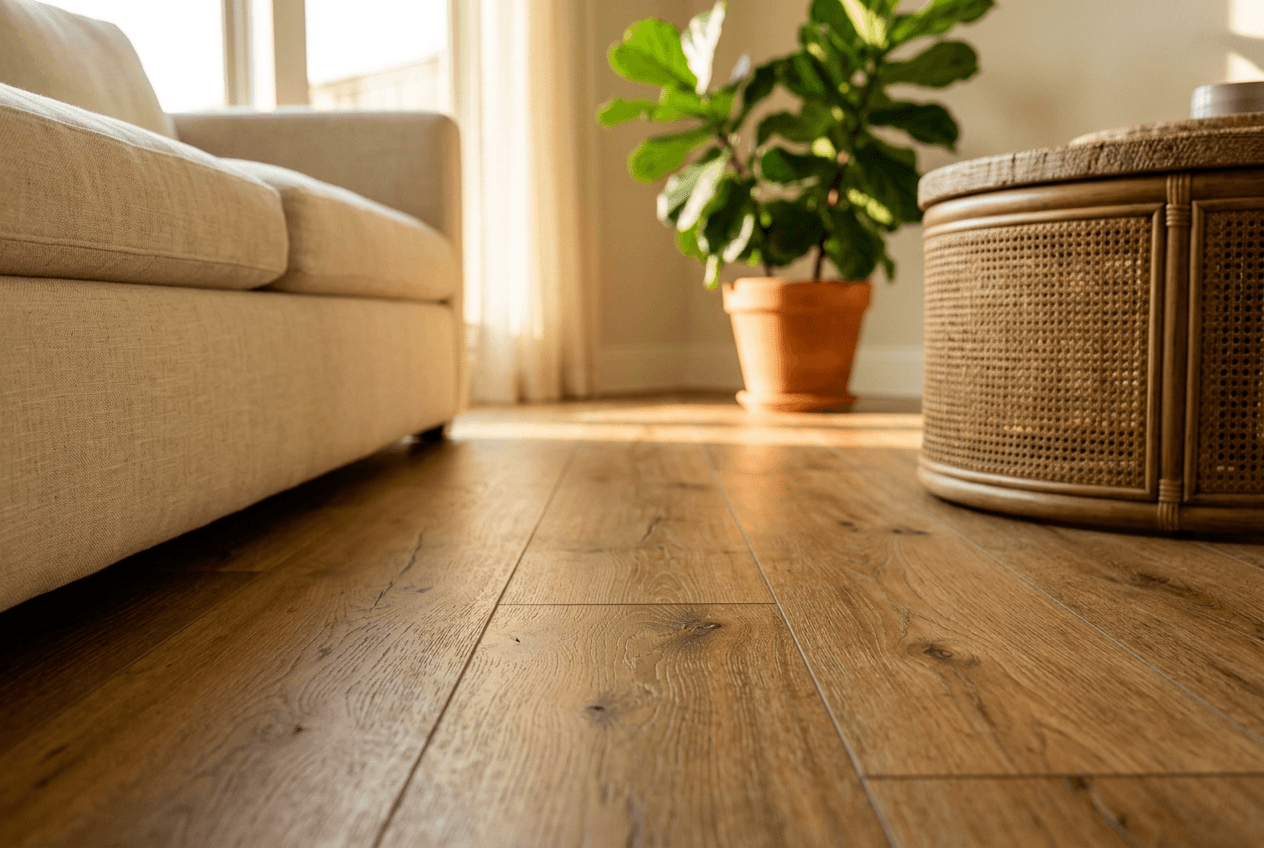
The best floor for one room is often not the best floor for another. Matching material to use case is what separates a well planned interior from one where problems show up in the wet zones a few years in.
Kitchens And Wet Areas
Kitchens, bathrooms, laundry rooms, and mudrooms all need flooring that handles standing water without damage. Porcelain tile is the safest long term choice for these rooms. Rigid core luxury vinyl plank is the second strong option, and it is often preferred in kitchens because it is warmer and more comfortable underfoot for long cooking sessions.
Avoid engineered hardwood in these zones no matter how much you like the look. The occasional dishwasher leak or overflowing tub is enough to ruin a beautiful hardwood floor in a way that porcelain or LVP would shrug off entirely.
Main Living And Common Areas
The main living areas of most Houston homes benefit from a consistent flooring choice that flows through the space without transitions. Rigid core LVP is the most popular recommendation because it handles the connection to wet zones like kitchens without any material change, giving you a single seamless floor throughout the main level.
Engineered hardwood works beautifully for these spaces when the kitchen and mudroom get a separate material like porcelain tile. This creates a warm hardwood feel through the primary living areas with defined transitions into the wet zones. For homes with a strong open concept layout, a single flowing material carries the sightline better than mixed transitions.
Bedrooms And Upstairs Spaces
Bedrooms have the widest flooring flexibility because they see the least water exposure and the most comfort demand. Engineered hardwood is the traditional premium choice and holds up well upstairs where moisture exposure from the slab is not a concern. Rigid core LVP is a strong practical choice and gives you consistency with the rest of the home.
Carpet still has its place in bedrooms for homeowners who want the softness and warmth. Choose a low pile synthetic carpet with a high density pad rated for humid climates, and plan for replacement every 8 to 12 years rather than the 15 to 20 year window carpet lasts in a drier climate.
Planning Your Flooring Installation
Choosing the right material is half the decision. The installation itself, from subfloor prep through final trim, is the other half. Getting the installation right is what determines whether your floor performs the way it should for the next 20 years.
Subfloor Prep And Moisture Barriers
Every Houston flooring project starts with a moisture test of the concrete slab. A calcium chloride test or an in situ relative humidity test tells the installer whether the slab is releasing more moisture than the flooring can tolerate. A slab reading above the manufacturer's threshold means either extra moisture mitigation is required or a different flooring choice.
Vapor barriers, whether a physical moisture underlayment or an applied moisture sealer, are the standard practice for LVP and engineered hardwood installations over Houston slabs. Skipping this step is the single most common cause of premature flooring failure in the area. See our guide on questions to ask a remodeling contractor before hiring for what to confirm about substrate prep before you sign a contract.
Cost Ranges And Timelines In Houston
A full flooring replacement in a typical Houston home ranges widely by material and square footage. LVP for a 2,500 square foot home typically runs $10,000 to $22,000 installed. Porcelain tile for the same footprint typically runs $22,000 to $40,000. Engineered hardwood for the primary living areas typically runs $18,000 to $35,000.
Timelines run 1 to 3 weeks for most whole home flooring replacements, longer when the project involves subfloor repairs, tile pattern work, or heavy furniture staging. For a broader look at project pricing in the area, see our breakdown of house renovation cost in Houston.
Work With A Contractor Who Coordinates The Trades
A flooring project touches demolition, subfloor prep, moisture testing, installation, transitions, baseboards, and often paint touchup once the trim goes back in. Coordinating those steps in the right sequence is what keeps the timeline realistic and the finished floor looking the way you expected.
Home Renovations and Remodeling, based in Spring, Texas, manages flooring and full interior projects from initial material selection through final punch list. If you are ready to talk through the right flooring choice for your home, you can call (281) 740-7118 to schedule a free in home consultation.
Frequently Asked Questions
What is the best flooring for humidity in Houston?
Rigid core luxury vinyl plank and porcelain tile are the two most humidity resistant flooring options for Houston homes. Both are fully waterproof and dimensionally stable through the humidity swings the area sees year round. Engineered hardwood works well in bedrooms and living areas but should not be used in wet zones.
Can I install real hardwood in a Houston home?
Solid hardwood is not recommended for Houston homes because the humidity range causes significant expansion and contraction over time. Engineered hardwood is the correct choice when you want the look and feel of real wood. It uses a real wood veneer on a stable plywood or fiberboard core that resists movement.
Is luxury vinyl plank waterproof?
Rigid core luxury vinyl plank is fully waterproof through the plank itself. Water sitting on the surface for hours does not damage the material. The seams are also water resistant when the flooring is installed correctly, which makes LVP appropriate for kitchens, bathrooms, and laundry rooms.
How much does new flooring cost in a Houston home?
Costs vary by material and square footage. For a 2,500 square foot home, LVP typically runs $10,000 to $22,000 installed, porcelain tile runs $22,000 to $40,000, and engineered hardwood runs $18,000 to $35,000. Premium selections in any category push those numbers higher.
What flooring is best for kitchens and bathrooms in Houston?
Porcelain tile is the safest long term choice for kitchens, bathrooms, and any wet area in a Houston home. Rigid core luxury vinyl plank is the second strong option and is often preferred in kitchens because it is warmer and more comfortable underfoot for extended time on your feet.
Do I need a vapor barrier for flooring in Houston?
Yes, in almost every case. Houston homes sit on concrete slabs, which release moisture into any flooring installed above them. A vapor barrier or moisture sealer applied before the flooring goes down protects the material from slab moisture and is the single most important step for a floor that lasts 20 years or more.
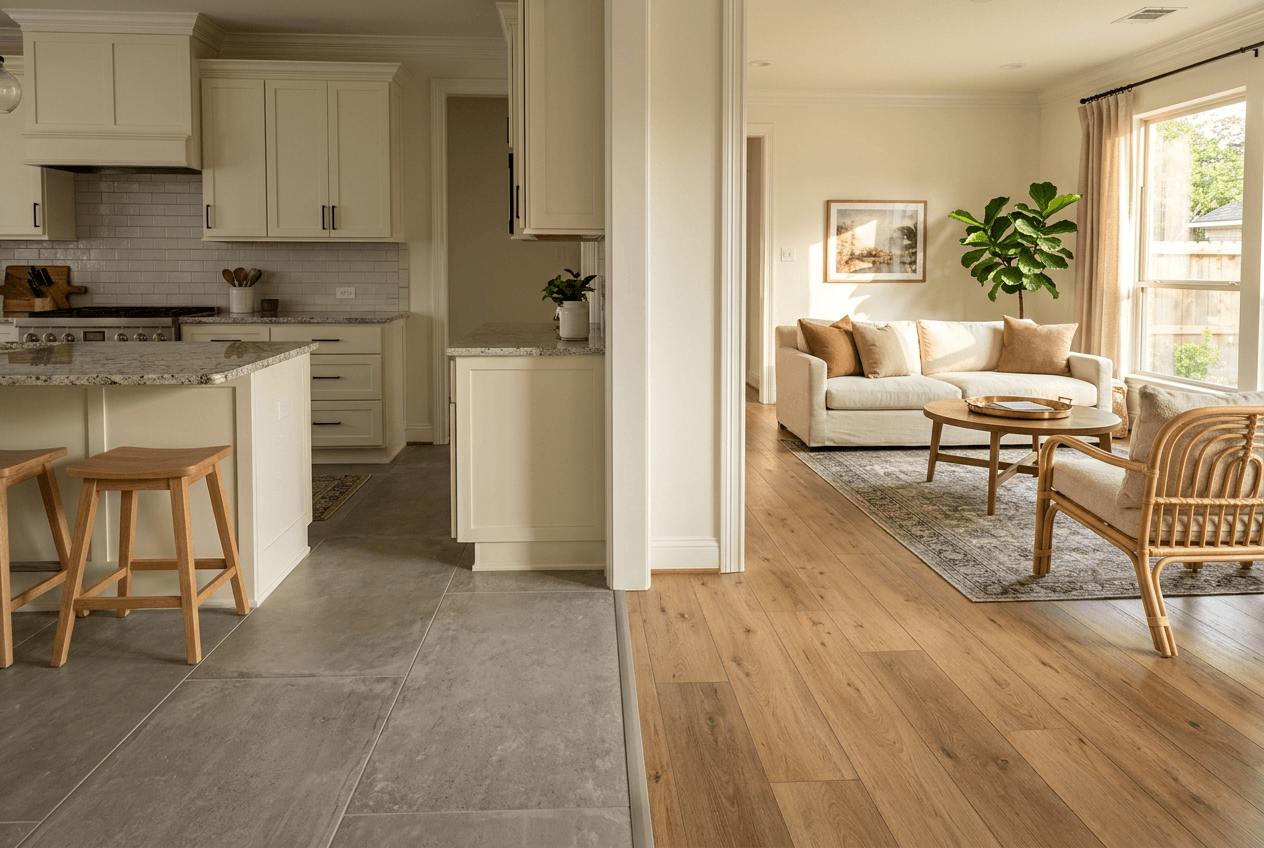
The choice between quartz and granite comes down to how you actually live in your kitchen. Both materials are excellent when specified correctly. Neither is universally better. Here is how the practical differences shake out in a real Houston home.
Durability And Everyday Wear
Quartz wins on stain and scratch resistance. Granite wins on heat resistance. Both are extremely durable overall, and both will outlast every appliance in the kitchen if maintained correctly. For a home with young kids, heavy juice and wine spills, or homeowners who dislike maintenance, quartz has the practical edge. For serious cooks who put hot pans directly on the counter and prep large quantities of food, granite's heat tolerance is a real advantage.
Appearance And Style Fit
Granite has a natural, organic look that anchors traditional and transitional Houston kitchens beautifully. It reads warmer and more textural. Quartz reads cleaner and more modern, especially in solid or subtly veined patterns. If your kitchen is heading toward a contemporary or transitional design, quartz is often the better visual match. For classic, warm, or heavily traditional kitchens, granite frequently wins on character.
Cost, Maintenance, And Longevity
Base costs are comparable across quartz and granite for standard selections. Where the numbers diverge is over time. Quartz needs no sealing and minimal specialty care. Granite requires sealing every one to three years plus stone specific cleaners. Over a ten year period, the total cost of ownership favors quartz slightly for most homeowners, though not enough to be the deciding factor. Both materials easily last 25 years or more when maintained properly, and both add resale value in Houston area homes. For a broader look at kitchen investment returns, see our take on how much equity a remodel adds in Houston homes.
Planning Your Countertop Installation
Once you have chosen quartz or granite, the installation itself decides whether the counters look and perform the way they should. This is where a good contractor and fabricator matter as much as the slab you selected.
Choosing A Slab, Fabricator, And Edge Style
For granite, visit the fabricator's yard and select your actual slab. For quartz, review a full size sample rather than a two inch chip so you can see how the pattern reads at scale. Confirm the edge profile in advance (eased, bullnose, mitered, and waterfall all have distinct looks and different costs). Ask the fabricator how seams will be placed. Well planned seams disappear. Poorly planned seams stay visible for the life of the counter.
Cost Ranges And Timelines In Houston
A full countertop replacement in the Houston area typically runs $3,500 to $8,500 for a standard kitchen with about 40 to 55 square feet of counter space, depending on material choice, edge profile, and complexity. High end selections or larger kitchens can exceed $12,000. Timeline is usually 2 to 4 weeks from template to installation, with the biggest variable being slab availability. For a broader breakdown of full kitchen pricing, see our guide on house renovation cost in Houston.
Work With A Contractor Who Coordinates The Trades
Countertop installation touches cabinetry, plumbing (sink cutouts and reconnection), and often electrical if any island outlets or cooktops are involved. Coordinating those trades in the right order is what keeps the project on schedule and prevents the finished counter from having visible issues around the sink, cooktop, or seams.
Home Renovations and Remodeling, based in Spring, Texas, manages full kitchen and countertop projects from initial selection through final installation. If you are ready to talk through your quartz or granite decision, you can call (281) 740-7118 to schedule a free in home consultation.
Frequently Asked Questions
Which is more expensive, quartz or granite?
Base costs are similar. Standard quartz typically runs $60 to $120 per square foot installed. Standard granite typically runs $50 to $100 per square foot installed. Premium selections in either material can exceed $150 per square foot. Over a ten year ownership window, quartz costs slightly less overall because it requires no sealing.
Which lasts longer, quartz or granite?
Both easily last 25 years or more when maintained properly. Quartz is more forgiving of neglect because it does not require sealing and resists staining without any special care. Granite lasts equally long but only when regular sealing and prompt cleanup of acidic spills are part of the routine.
Is quartz or granite better for a Houston kitchen?
For most Houston homeowners, quartz is the more practical daily choice because the humidity is unforgiving to porous materials and quartz never needs sealing. For serious cooks who prioritize heat resistance and natural character, granite is an excellent choice as long as regular sealing is maintained.
Can I use quartz outdoors in Houston?
No. Quartz is not recommended for outdoor use because UV exposure over time discolors the resin binders that hold the material together. For outdoor countertops in Houston, sealed granite or concrete are the correct choices.
Do I need to seal quartz or granite countertops?
Quartz never needs sealing. Granite needs sealing at installation and again every one to three years depending on the specific stone and how heavily the counter is used. A simple water bead test tells you when it is time to reseal.
What countertop is best for resale value in Houston?
Both quartz and granite are considered upgrade level materials by Houston area buyers and both add resale value compared to laminate or tile. Quartz has slightly stronger appeal to younger buyers because of its clean modern look and lower maintenance. Granite still appeals strongly in traditional and higher end homes.