
Questions to Ask a Remodeling Contractor Before Hiring
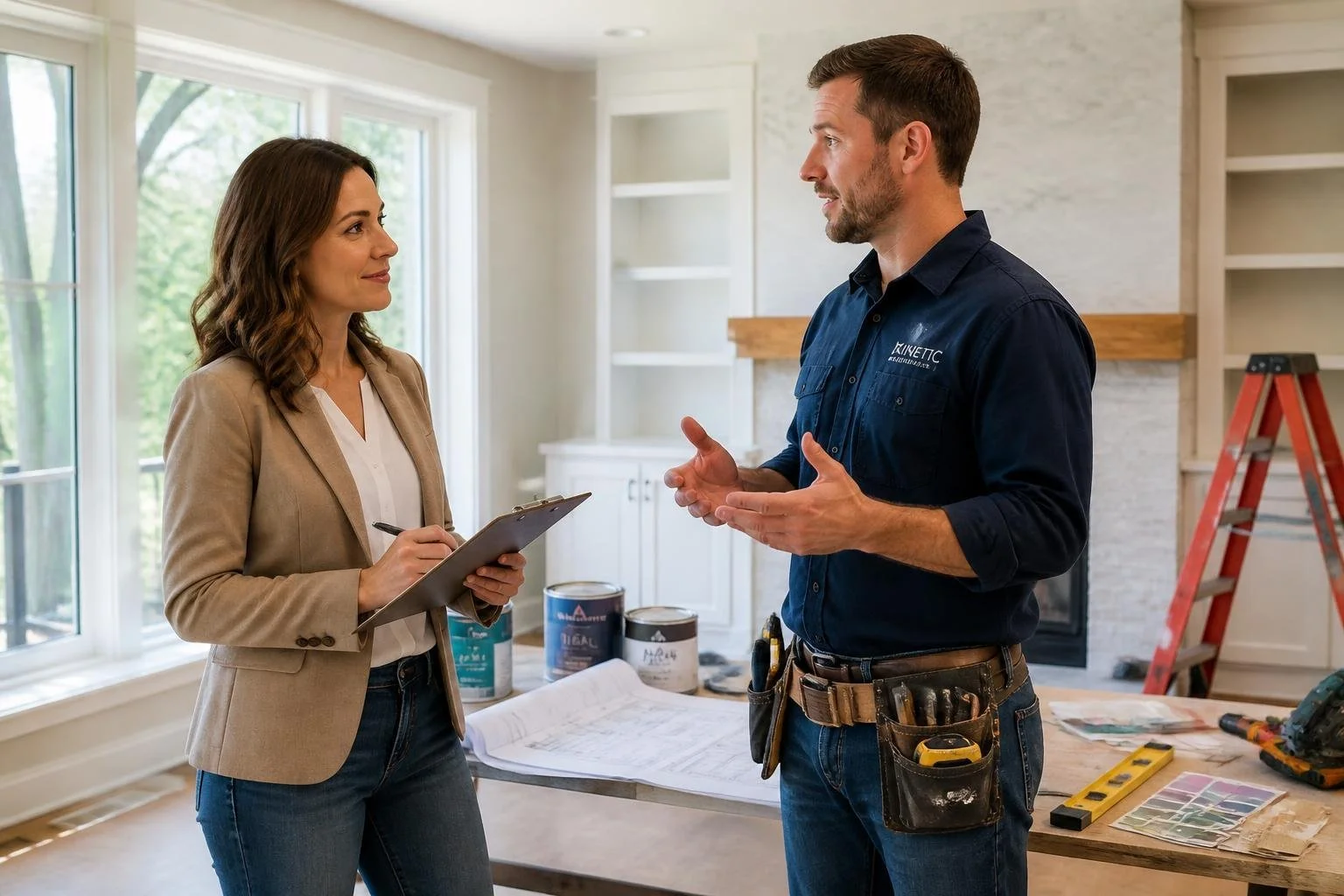
Knowing what to ask a remodeling contractor before hiring can really save you from headaches, delays, and unexpected costs. The contractor you pick will be in your home, working with your budget, and part of your daily routine for a while.
Not every contractor who looks qualified actually is. When you ask the right questions upfront, you can spot experienced, trustworthy professionals and weed out the ones who might cut corners or disappear halfway through.
A home remodel is a big investment. How well you check out your contractor will directly affect how things turn out.
The questions you ask before signing a contract are your best shot at choosing the right contractor and protecting your home and budget.
Key Takeaways
Check the contractor's license, insurance, and references before moving forward.
Get a detailed written estimate and make sure you understand the payment schedule before any work starts.
Find out how the contractor handles changes, delays, and warranty issues right from the beginning.
Questions That Help You Vet the Contractor
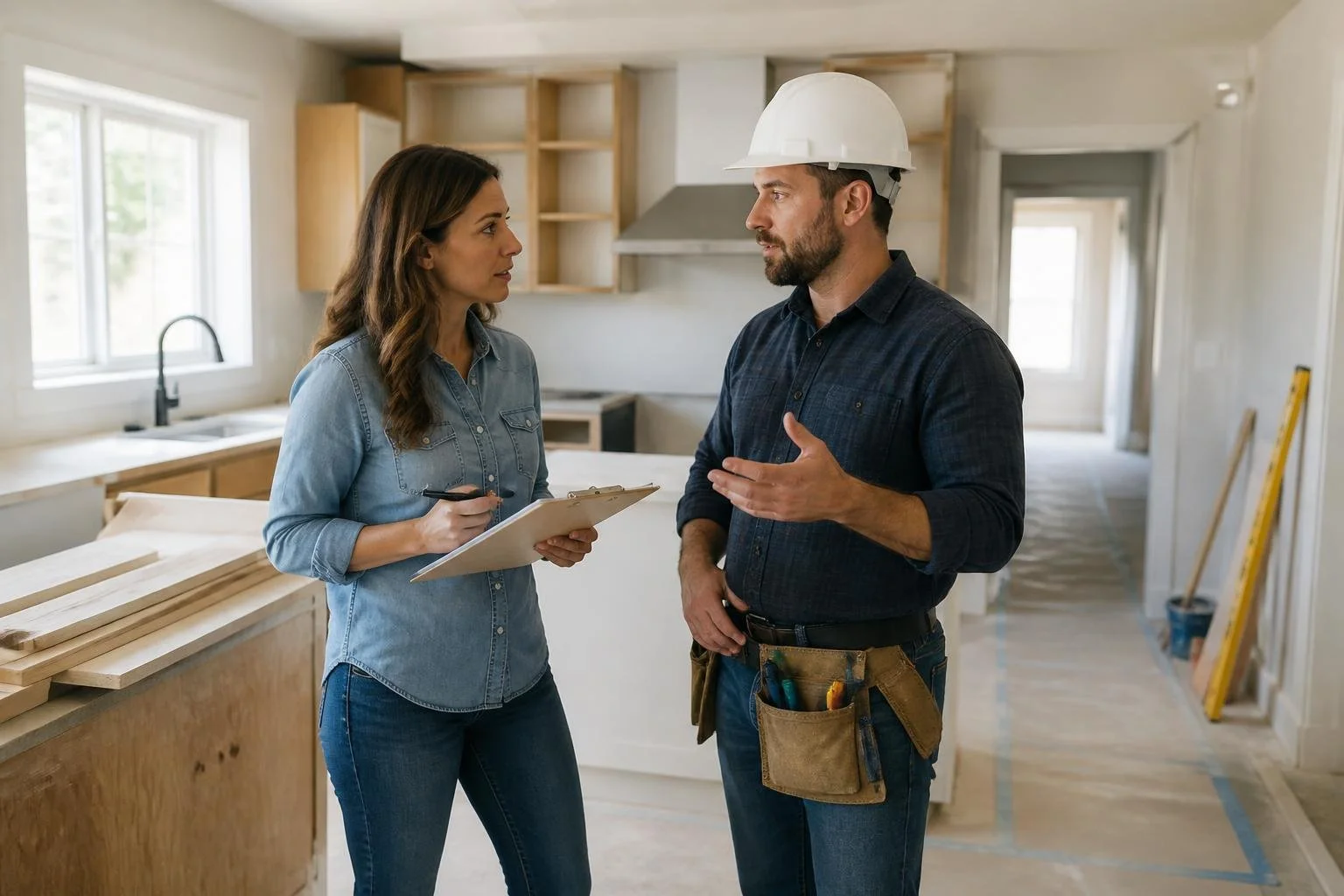
Before you hire anyone, you need to know who you’re bringing into your home. Check their experience, contractor license, liability insurance, and get references from past clients. This gives you a solid idea of how reliable and skilled they are.
What Experience Do You Have With Projects Like Mine?
Just ask the contractor how many projects like yours they’ve completed. If you’re planning a bathroom remodel, you want someone who’s done that kind of work before, not just general remodeling.
Request before and after photos from similar jobs. Some contractors even have a showroom or offer design services, which can help a lot when you’re figuring out what you want.
Are You Properly Licensed and Insured?
Make sure the contractor has a valid contractor license for your state. Licensing rules can be different depending on where you live, so double-check with your local licensing board. Texas does not require this but other states may.
Ask to see proof of liability insurance and workers’ compensation coverage. If a worker gets hurt at your house and the contractor isn’t insured, you could end up responsible.
Can You Share References and Examples of Past Work?
Ask for at least three references from clients who had similar projects done. Reach out to those people and ask how things went—did the contractor communicate well, stick to the timeline, and deliver what was promised?
You can also look up verified reviews on sites like Angi. If a contractor gets good feedback from lots of sources, that’s a great sign.
Who Will Actually Be Working on My Home?
Some contractors bring in subcontractors for certain jobs like electrical or plumbing. Ask who’ll actually be at your house and if any work will be handed off to someone else.
Check if those subcontractors are licensed and insured, too. You deserve to know exactly who’s coming into your home.
Questions That Clarify Cost, Process, and Closeout
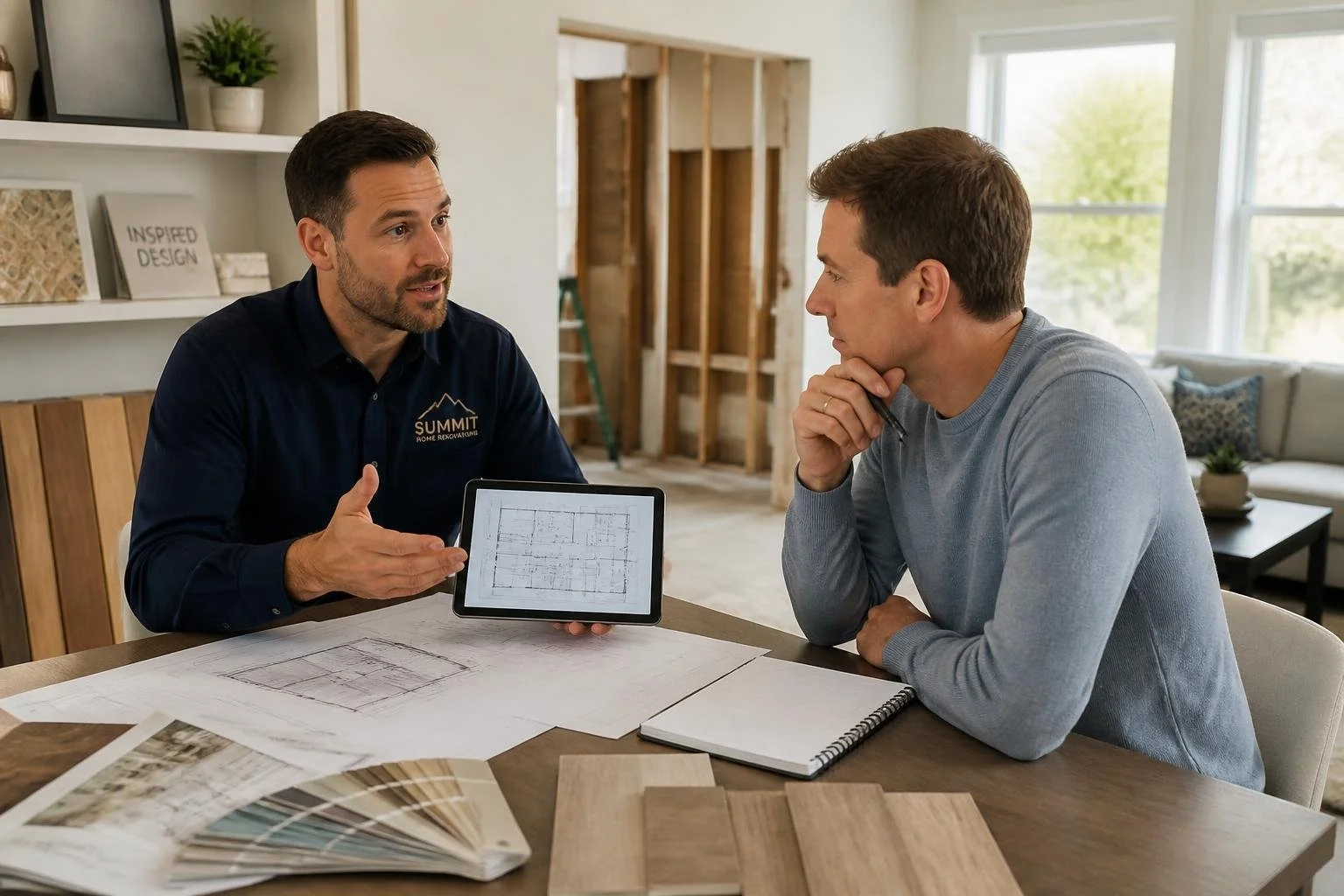
After you feel good about a contractor’s background, shift your focus to how the whole project will actually work. Payment terms, permits, changes, and what happens when the job wraps up all need to be clear before anyone swings a hammer.
What Will Be Included in the Written Estimate?
Always ask for a detailed written estimate. Don’t settle for a verbal quote. The estimate should break down labor, materials, and any extra costs so you can compare bids fairly.
Ask about the payment schedule before you sign anything. Usually, you’ll pay a deposit, then milestone payments, and finally the last payment when the job is done. Be wary if anyone asks for more than 30 to 50 percent upfront.
How Will the Timeline, Communication, and Permits Be Managed?
Ask for a clear project timeline or project schedule with key milestones. Find out who your main contact will be—sometimes it’s the contractor, other times it’s a project manager.
Talk about permits early on. A good contractor will pull the right permits, schedule inspections, and make sure everything meets local codes. Never agree to skip permits just to save money. That’s asking for trouble.
How Do You Handle Changes, Delays, and Unexpected Issues?
Changes almost always pop up during a remodel. Ask how the contractor handles and documents changes to the original plan before moving forward.
Find out how they’ll tell you about unexpected issues, like hidden water damage or structural surprises. You want a process that keeps you in the loop, not last-minute surprises on your bill.
What Happens at the End of the Job?
Ask about the final walkthrough and punch list. That’s when you check out the finished work and note anything that needs fixing before you make the last payment.
See if the contractor offers a warranty on their work. Most reputable pros offer at least a one-year warranty on labor. Get that promise in writing before you sign anything or ask for a free quote.
Frequently Asked Questions

Are you licensed, bonded, and insured for this type of remodeling work?
Yes, you should ask this right away. Check their license number with your state’s licensing board and ask for insurance certificates that show both liability and workers’ comp. If you hire someone unlicensed or uninsured, you’re risking a lot—legally and financially.
Can you provide recent references and a portfolio of similar projects?
A good contractor will happily give you at least three recent references from clients with similar jobs. Ask to see before and after photos, and actually call those references. Find out how the work turned out, if the contractor communicated well, and if the project finished on time.
Who will manage the job daily, and will you use subcontractors for any trades?
Ask who’ll be on-site each day and who’s supervising the work. If they use subcontractors for things like plumbing or electrical, make sure those folks are licensed and insured too. The general contractor should stay responsible for the whole job.
What is the projected timeline, and how do you handle schedule delays?
Ask for a written schedule with start and end dates plus key milestones. Find out how the contractor will keep you updated if there are delays, and what they’ll do to keep things on track.
How do you structure estimates, change orders, and payment schedules?
A detailed written estimate should clearly break down all costs. Payment schedules should match up with project milestones. Any changes to the original plan should be handled through a signed change order before extra work starts.
What red flags should I watch for during the project, and how do you handle mistakes or warranty issues?
Keep an eye out for poor communication. If the work doesn't match what you agreed on, that's a big warning sign too.
Be cautious if someone asks for large payments before finishing the job. It's a good idea to ask your contractor how they deal with mistakes.
See if they offer a written warranty. Most folks recommend at least a one-year warranty on labor.