
How to Prepare Your Home for a Remodeling Project

Getting ready for a home remodeling project? You’ll want to plan ahead and get organized.
If you want to keep things running smoothly, clear out the work area, protect your stuff, and set up some temporary living spaces before the mess starts. A little prep goes a long way to avoid delays and keep your home life (mostly) on track during the chaos.
A remodeling project brings dust, noise, and a steady stream of workers into your house for days, sometimes weeks.
Think about where you’ll cook, sleep, and stash your belongings while the work’s happening. When you prep your space, you protect your furniture and make things easier for your contractors.
If you take a little time to organize before the first hammer swings, you’ll save yourself stress (and probably some cash). You’ll have a better sense of what’s coming and how to keep your family comfortable.
Key Takeaways
Clear and protect your work areas before construction to avoid damage and delays.
Set up temporary spots for daily stuff like cooking and bathing while the remodel’s happening.
Stay in touch with your contractors about schedules and what you expect, so everyone’s on the same page.
Essential Steps to Prepare Your Home for a Remodeling Project

Getting your home ready for a remodel means focusing on four big things: setting your goals, coming up with a financial plan (with a little wiggle room), choosing a qualified contractor, and figuring out your project schedule.
Define Your Remodeling Goals and Priorities
Start by jotting down exactly what you want to change in your home. Get specific about which rooms need attention and what problems you want to fix.
For example, instead of just “fix the kitchen,” write “replace cabinets, add an island, and install new appliances.” That kind of detail helps a lot.
Separate your must-haves from your nice-to-haves. Must-haves might be things like a leaky roof or outdated wiring. Nice-to-haves? Maybe that fancy backsplash or heated floors if you’ve got the budget.
Talk with everyone who lives with you about what they need. A home renovation works best when it fits your actual life.
Think about how you use each space and what would make things better day-to-day.
Take photos of inspiration from magazines or websites. Share these with your contractor so they get your vision.
Set a Realistic Budget and Build in Contingency
Do a little homework to see what your type of remodel usually costs. Kitchens and bathrooms can be pretty different, so look up numbers for your specific project.
Add 15-20% to your budget for surprises. Remodeling almost always uncovers something, old pipes, weird wiring, or hidden damage.
Get quotes from at least three contractors. This way, you’ll know what things cost in your area and avoid sticker shock.
Budget Item and Percentage of Total
Labor: 40% to 50%
Materials: 30% to 40%
Contingency: 15% to 20%
Permits and Fees: 5% to 10%
Set up a separate bank account just for your remodel. It’ll help you keep track and avoid mixing up project costs with your everyday spending.
Choose the Right Remodeling Contractor
Ask friends, family, or neighbors if they know any good contractors. Personal referrals usually lead to the best pros.
Make sure any contractor you talk to has proper licensing and insurance. Seriously, ask to see the paperwork before you sign anything.
Check online reviews on a few different sites. Look for patterns in what people say; don’t get hung up on just one review.
Interview at least three contractors before picking one. Ask about their experience with projects like yours, how they handle hiccups, and who will be on-site every day.
Request references from recent clients and actually call them. Find out if the contractor stayed on budget, finished on time, and cleaned up after the job.
Plan Project Timeline and Milestones
Work with your contractor to put together a detailed schedule. Break the job into phases like demo, rough work, installations, and finishing touches.
Figure out key dates for decisions, like picking tile by week two or paint colors by week four.
Decide where you’ll live during the remodel. Some projects let you stay home, but sometimes you’ll need to crash elsewhere for a bit.
Set up regular check-ins with your contractor. Weekly meetings help you stay in the loop and catch small issues before they grow.
Add some buffer time for delays. Weather, material shortages, and permits can drag things out. Giving yourself an extra two weeks can save you a lot of headaches if things go sideways.
Practical Preparations for a Smooth Remodel
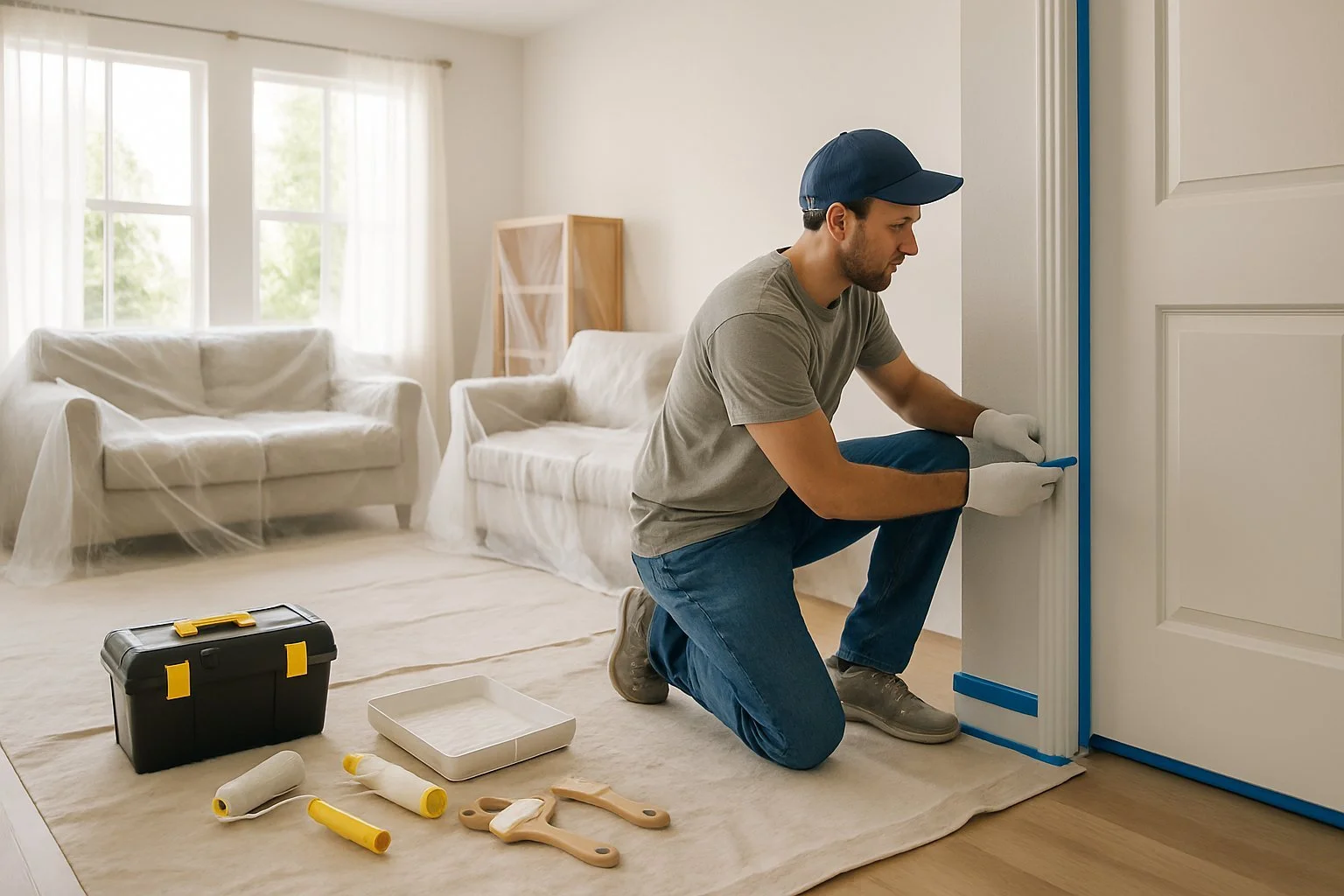
Getting your space ready before the crew shows up will save time and help keep your stress level down. Take care of permits, protect your stuff, and make a plan for everyone in the house to keep things running as smoothly as possible.
Organize, Declutter, and Protect Belongings
Start clearing out the work area at least a week before your remodeling contractor arrives. Pack away decorations, furniture, and personal items, and label boxes by room.
Store these boxes somewhere in the house that’s out of the construction zone. If the whole house is getting remodeled, you might need to rent a storage unit.
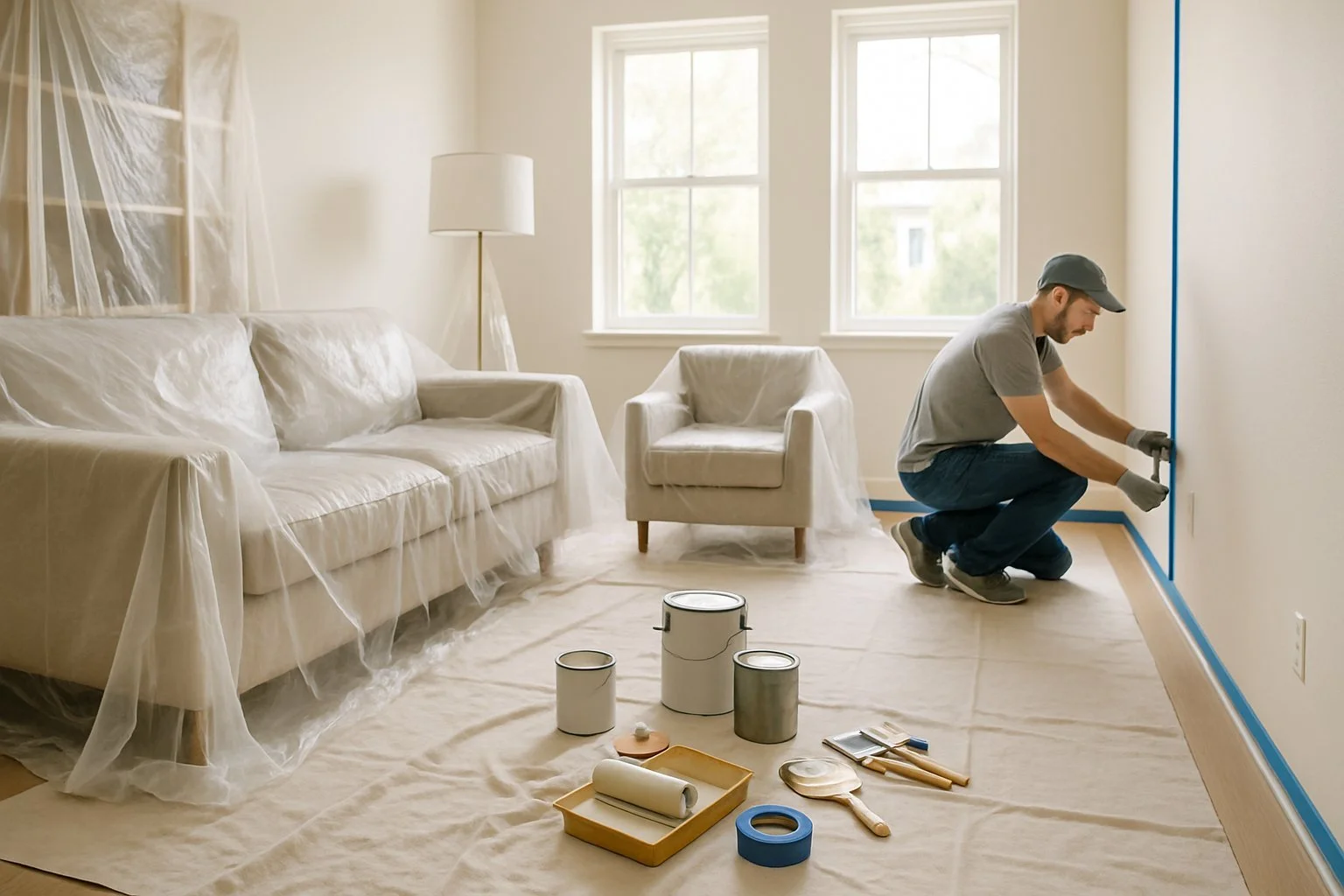
Cover any furniture and floors left in the area with heavy-duty plastic or drop cloths. Use painter’s tape to hold everything in place and keep dust out.
Take down wall art, curtains, and light fixtures from rooms next to the construction zone. Demolition can send vibrations through the house, and you don’t want things falling.
Secure Necessary Permits and Approvals
Check with your local building department to see which permits you’ll need before starting your home remodel. Most structural changes, electrical, and plumbing work need official approval.
Your contractor should handle the permit applications, but you’re still legally responsible as the homeowner. Ask for copies of all approved permits and stash them somewhere safe.
Common projects that need permits:
Adding or removing walls
Electrical panel upgrades
Plumbing changes
Window or door replacements
Roof work
HVAC installations
Submit permit applications 2-4 weeks before you want to start. Processing times can vary, so don’t wait until the last minute. Schedule inspections when required to avoid delays or fines.
Ensure Safety for Children and Pets
Set up a safe zone away from construction for your kids and pets. Make sure this spot has everything they need so they’re not tempted to wander into the chaos.
Talk with your contractor about who lives in your house. Set clear rules about work hours, locked doors, and off-limits areas.
Put up temporary barriers like baby gates or doors to block off the work zone. Make sure everyone in the family knows where they can and can’t go.
Arrange for pet care on especially loud or busy days. All the noise and activity can really stress animals out.
Manage Indoor Air Quality and Minimize Dust
Seal off the work area with plastic barriers and zipper doors to help keep dust and debris contained. This protects the rest of your house (and your lungs).
Ask your contractor to use dust extraction tools and air scrubbers during demo and sanding. These gadgets catch particles before they float through your vents.
Change your HVAC filters every week during construction. Go for high-quality filters, MERV 11 or higher, to trap fine dust.
If the weather’s nice, open windows in the work area for extra ventilation. Use exhaust fans to push dirty air outside instead of spreading it around the house.
Keep doors to the construction zone closed at all times. Drop a towel or door sweep along the bottom to block dust from sneaking under.
Frequently Asked Questions
Home remodeling brings up a lot of practical questions, timing, costs, planning, you name it. Here are answers to the most common concerns folks have before diving in.
What are the essential steps in a home renovation checklist?
First, figure out which rooms or areas need work and what you want to change. Make a list of all repairs, updates, and improvements you plan to tackle.
Get a home inspection to spot any hidden problems like electrical or water damage. You’ll want to fix those before you start with the pretty stuff.
Set a realistic budget that covers materials, labor, permits, and a 10-20% cushion for surprises. Research contractors and get at least three written estimates.
Apply for the permits you need through your local building department. Remove or cover furniture and belongings in work areas. If the kitchen or bathrooms are out of commission, set up temporary arrangements.
What should I consider first when planning a house remodel?
Check your budget before you do anything else. The amount you have will decide the size and type of remodel you can actually pull off.
Think about why you’re remodeling and what you want to fix or improve. Are you adding space, updating old features, or making your home more energy-efficient?
See if your project needs permits or has to follow certain codes. Some changes need approval from the HOA or local zoning boards.
Is there a recommended order for tackling different rooms during a remodel?
Start with the big stuff, foundation repairs, roof fixes, or framing work. These jobs affect your home’s safety and need to go first.
Next, take care of plumbing, electrical, and HVAC. You’ll want all that done before you close up walls or lay down new finishes.
Work on less-used spaces before high-traffic areas. That way, you can keep parts of your home usable during the remodel. If you have to choose, save bathrooms and kitchens for last so you can use them as long as possible.
Finish with cosmetic updates like painting, flooring, and trim. These come last because earlier work can mess them up.
How can I keep my remodeling project within budget?
Make a detailed spreadsheet listing every expense you expect, contractor fees, materials, permits, dumpster rentals, even temporary housing if needed.
Track your spending as the project goes on. Compare what you actually spend to your budget every week.
Try not to make changes once work starts. Every change order adds costs and slows things down.
If you can, buy materials yourself to avoid contractor markups. Shop sales and compare prices at different stores.
What are some cost-effective ideas for renovating a house?
Paint walls and cabinets instead of replacing them. A fresh coat of paint is cheap and makes a big difference.
Stick to your existing floor plan so you don’t have to move plumbing or electrical. Moving these systems gets pricey fast.
Refinish hardwood floors instead of installing new ones. Swap out light fixtures and cabinet hardware for an updated look without a full overhaul.
Do some work yourself if you’re handy, like demolition, painting, or installing simple fixtures. Not everything needs a pro.
How can I use remodel planning apps to enhance my renovation process?
Remodel planning apps make it easy to sketch out digital floor plans and preview changes before you start buying anything. Apps like Houzz, RoomSketch, and Planner 5D give you free versions, though you'll probably notice the features are a bit basic.
Try messing around with different layouts, colors, or furniture setups until something clicks. If you want feedback, just snap a screenshot and send it to your contractor or maybe your family, sometimes a second opinion helps.
A lot of these apps have built-in cost estimators, which can really help you keep an eye on your budget. Some even connect you with contractors and let you save info about products straight from home improvement stores.
You can use photo documentation tools to track your progress, which is honestly pretty satisfying. It also makes it simple to keep all your receipts, warranties, and contractor details in one spot.