
Energy Efficient Windows For Houston Houses
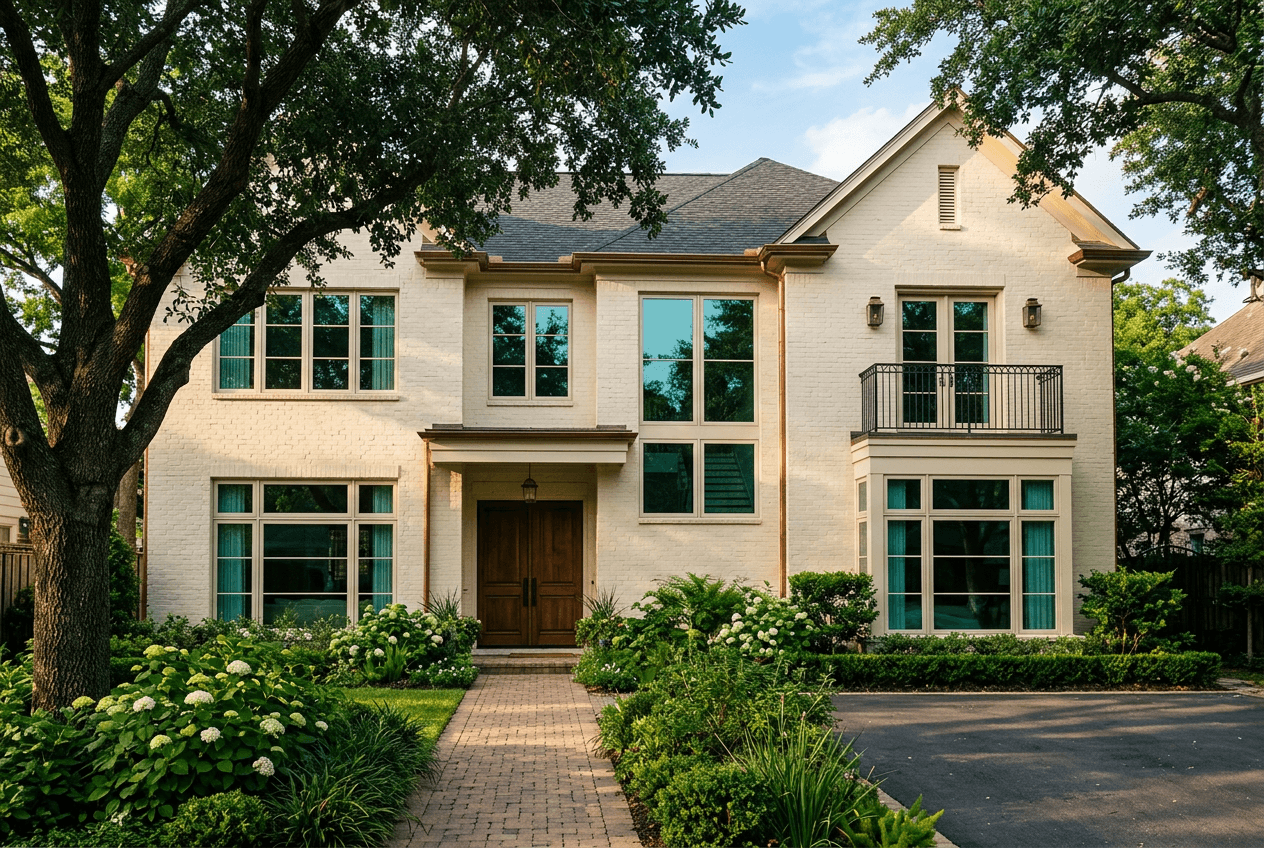
If your summer electric bill in Houston looks more like a car payment, you are not alone. The Houston area consistently ranks among the highest cooling load regions in the country, and the single largest source of unwanted heat gain in most homes is not the roof or the walls; it is the windows. Old windows, especially single pane or lightly coated double pane, can account for 25 to 40 percent of the total heat load your air conditioner has to fight against.
Upgrading to energy efficient windows during a Houston area residential remodel delivers some of the most durable financial and comfort returns of any home improvement. Modern high performance windows use a combination of low emissivity coatings, insulated gas fills, and improved frame materials to cut heat gain, block UV, and keep conditioned air inside where you want it. Combined with the everyday comfort benefits (no more cold spot near the window in winter, no more scorching hot glass in summer), the case for good windows in Houston is one of the clearest math problems in home improvement.
This guide covers why windows drive so much of your energy bill in Houston, which window technologies actually deliver, the ratings that separate real performance from marketing, and how to plan a window replacement that starts paying for itself right away.
Key Takeaways
Windows can account for 25 to 40 percent of a Houston home's cooling load, making them one of the highest impact upgrades for reducing summer energy bills.
The most important specifications for a Houston window are a low U factor for insulation and a low Solar Heat Gain Coefficient to block the summer sun, both of which cut cooling costs directly.
ENERGY STAR certified windows for the Southern climate zone are the baseline to look for, and premium high performance windows deliver additional savings and comfort year after year.
Why Windows Matter For Energy Efficiency In Houston

The energy performance of a Houston home is a tug of war between what you keep out (heat, humidity, UV) and what you keep in (conditioned cool air). Windows are on the front line of that battle.
How Houston Heat And Humidity Drive Cooling Loads
Houston sees 90 degree plus temperatures for roughly four months of the year, with humidity often above 70 percent even at night. Your air conditioner runs almost continuously through the summer months, and every btu of heat that enters the house through a window is one more btu the ac has to remove.
Standard single pane windows have a U factor around 1.0, meaning they insulate poorly. High performance double pane windows with low emissivity coatings and argon gas fills get down to a U factor of 0.25 to 0.30, dramatically better. On a summer afternoon in Houston, that difference means the surface temperature of an old window can hit 90 to 100 degrees inside the room, radiating heat into the space. A good window sits within a few degrees of the interior temperature all day.
What Old Windows Cost You Every Month
Studies from the Department of Energy and various utility partners estimate that upgrading from old single pane windows to ENERGY STAR certified windows saves the average home 12 to 33 percent on annual heating and cooling costs. For a Houston area home with a typical $250 to $450 summer electric bill, that translates to $30 to $150 per month in savings during peak cooling season.
Over a 20 year window lifespan, that adds up to $7,000 to $30,000 or more in energy savings depending on rates and usage. Add in the comfort improvements, the noise reduction, and the boost to home value, and the payback math is one of the strongest in home improvement.
Comfort, UV, And Furniture Protection
Beyond dollars saved, energy efficient windows are dramatically more comfortable. Rooms with high performance windows do not have cold spots in winter or hot spots in summer. Sitting near a window on a July afternoon does not feel like sitting near a radiator.
Low emissivity coatings also block 84 to 95 percent of UV rays, which is the wavelength that fades fabrics, floors, artwork, and furniture. In sun heavy Houston homes, this can extend the life of interior finishes by years.
Window Technologies That Perform In Houston
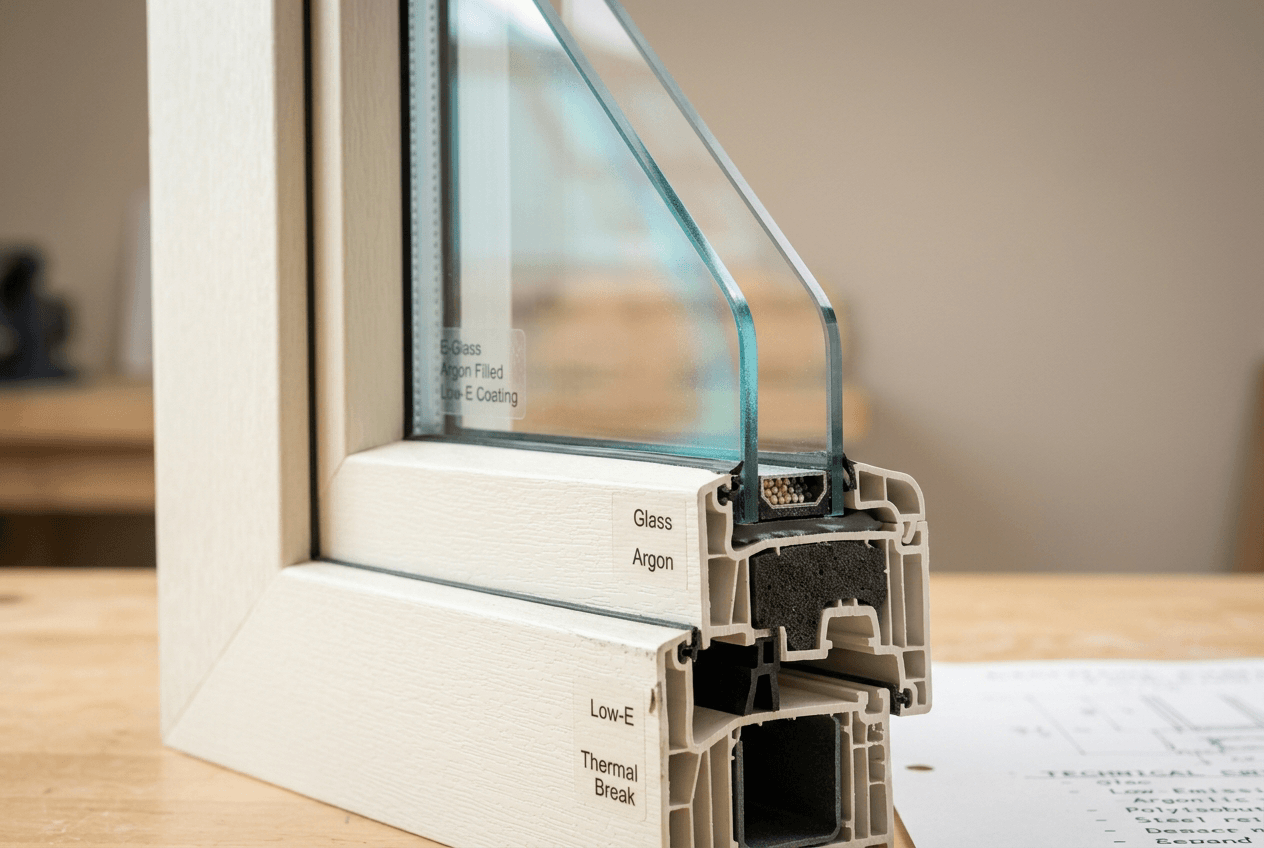
Modern high performance windows use a stack of technologies working together. Understanding the individual components helps you specify a window that actually delivers the savings the marketing claims.
Low Emissivity (Low E) Coatings
Low emissivity coatings are microscopically thin metallic layers applied to glass that reflect infrared heat while letting visible light through. This is the single most impactful energy technology in modern windows. For a Houston climate, the right choice is a solar control low e coating that blocks summer heat gain, sometimes called a hot climate or southern low e.
Some window manufacturers offer double or triple low e coatings that layer multiple thin metallic films for better performance. In a Houston home, a triple silver low e coating on the exterior pane delivers the best combination of visible light and heat rejection currently available.
Insulated Gas Fills And Multi Pane Construction
Double pane windows sandwich an insulating gas between two panes of glass, and triple pane windows add a third pane and second gas cavity. The gas fill (typically argon or krypton) insulates far better than plain air. Argon is standard on quality windows; krypton is used in premium triple pane windows because it insulates even better in narrow cavities.
For Houston homes, double pane with argon and a good low e coating is the sweet spot for cost and performance. Triple pane windows are worth considering for homes with very high energy bills, homes near heavy noise sources, or homeowners who plan to stay in the home for decades and want maximum long term performance.
Frame Materials That Support Energy Performance
Frame material affects both energy performance and durability. Vinyl frames deliver strong energy numbers at a competitive price and are the most popular choice for Houston residential remodels. Fiberglass frames match or beat vinyl on energy performance and offer better durability and paint options.
Aluminum frames without a thermal break conduct heat and hurt energy performance significantly. Aluminum frames with a thermal break perform much better and are common on impact rated hurricane windows. Wood frames insulate well but require ongoing maintenance in Houston humidity. Aluminum clad wood combines interior warmth with exterior durability. For homes also considering hurricane protection, see our take on hurricane resistant windows for Houston homes for the intersection of impact and energy performance.
Ratings, Certifications, And What To Look For
Window marketing overuses the word efficient, which makes ratings the only reliable way to compare products. Learn the four numbers on the National Fenestration Rating Council (NFRC) label and you can specify a window with confidence.
U Factor And SHGC For The Houston Climate
U factor measures how well the window insulates. Lower is better. For a Houston home, look for a U factor of 0.30 or lower, and ideally 0.25 or lower for premium performance.
Solar Heat Gain Coefficient (SHGC) measures how much solar heat passes through the window. Lower is better in a hot climate like Houston. Look for an SHGC of 0.25 or lower to block summer heat effectively. This one number matters more in Houston than almost anywhere else in the country because of how hard the summer sun works to heat the home.
Visible Transmittance And Air Leakage
Visible Transmittance (VT) measures how much visible light passes through. Higher is better if you want bright rooms. Look for VT of 0.50 or higher for rooms where daylight matters. Some very low SHGC windows sacrifice VT, so this is a balance decision.
Air Leakage (AL) measures how much air passes through the window frame and sash. Lower is better. Look for AL of 0.30 or lower for a tight window. This is where installation quality also matters; even a great window installs poorly can leak air at the frame perimeter.
ENERGY STAR Certification For The Southern Zone
ENERGY STAR is the government backed certification program that identifies windows meeting specific efficiency criteria for each climate zone. Houston falls in the Southern climate zone, which has different criteria than the Northern zones that dominate marketing materials from national brands.
When comparing windows, confirm that the specific model is ENERGY STAR certified for the Southern zone, not just ENERGY STAR generally. Certification for the Northern zone is meaningless in a Houston application because the priorities are different (cold climate priorities heating, hot climate priorities cooling).
Planning Your Energy Efficient Window Project
Window replacement is more than picking a product from a catalog. Sizing, ordering, permitting, and installation all take coordination and time. Getting the planning right up front is what keeps the project on schedule and on budget.
Whole Home Vs Phased Replacement
The maximum energy savings come from replacing every window in the home because heat and air move through the weakest link. A single old single pane window on the west side of the house will keep pulling in summer heat even if every other window is high performance.
That said, a phased replacement can make financial sense. Starting with the west and south facing windows (which take the most direct sun) and completing the remaining windows in later phases delivers meaningful savings at each stage while spreading the cost over time.
Cost Ranges, Timelines, And Tax Credits
Energy efficient windows in the Houston area typically run $400 to $1,200 per window installed for standard vinyl or fiberglass units, with premium selections and larger sizes pushing higher. A whole home replacement for a typical Houston area home runs $8,000 to $30,000 depending on size, style, and specifications.
Federal tax credits for ENERGY STAR certified windows are periodically available; check current program status when planning your project. Manufacturing lead times run 4 to 10 weeks for custom sized windows, and installation typically takes 2 to 5 days for a whole home project. For a broader look at project pricing, see our breakdown of house renovation cost in Houston.
Work With A Contractor Who Coordinates The Trades
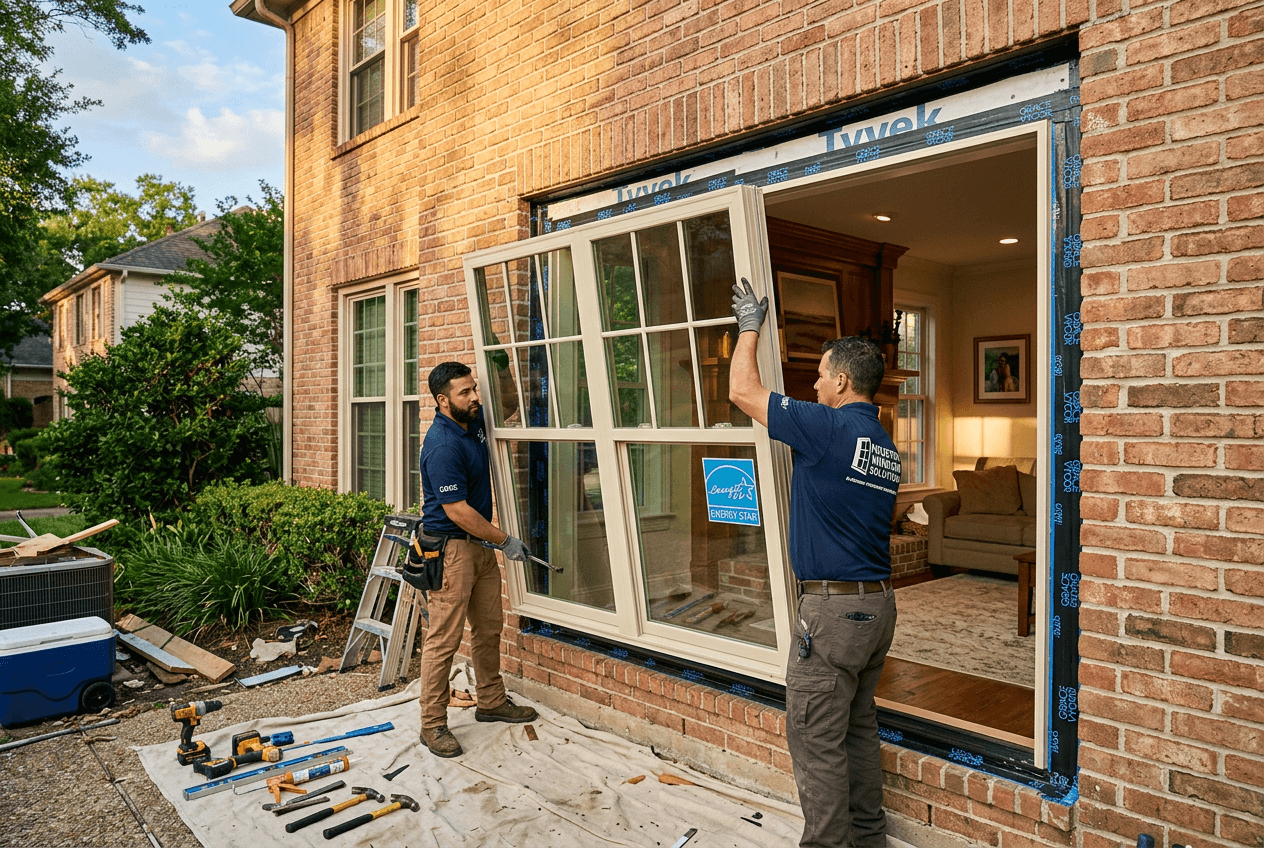
Window installation touches exterior finish, waterproofing flashing, interior trim, and often paint touchup at the trim. Proper installation is what separates windows that deliver rated performance from windows that leak air at the perimeter and undermine the whole upgrade. See our guide on questions to ask a remodeling contractor before hiring for the specific window installation questions worth asking up front.
Home Renovations and Remodeling, based in Spring, Texas, manages energy efficient window replacement and full residential remodels from initial specification through final inspection. If you are ready to talk through energy efficient window options for your home, you can call (281) 740-7118 to schedule a free in home consultation.
Frequently Asked Questions
Are energy efficient windows worth it in Houston?
Yes, in most cases. Houston homes typically see 12 to 33 percent reductions in heating and cooling costs after upgrading from old single pane windows to ENERGY STAR certified windows. Combined with the comfort improvements, UV protection, and boost to home value, the payback period is typically 8 to 15 years, well inside a normal window lifespan.
What is the best window for Houston heat?
A double pane window with a solar control low e coating, argon gas fill, and a low SHGC (0.25 or lower) is the best combination for Houston heat. Vinyl or fiberglass frames deliver strong energy performance at competitive prices. For maximum performance, triple pane windows with triple silver low e coatings offer the best available numbers.
How much can I save on cooling costs?
A typical Houston area home can save 12 to 33 percent on cooling costs after upgrading to ENERGY STAR certified windows. For a home with a $250 to $450 summer electric bill, that translates to $30 to $150 per month in peak season savings. Over 20 years, energy savings often total $7,000 to $30,000 or more.
What is a good U factor for a Houston window?
Look for a U factor of 0.30 or lower for a Houston area home, and ideally 0.25 or lower for premium performance. In Houston, the Solar Heat Gain Coefficient (SHGC) matters as much or more than U factor because summer cooling load is the dominant energy driver. A SHGC of 0.25 or lower is the target for Houston applications.
Do energy efficient windows qualify for tax credits?
Federal tax credits for ENERGY STAR certified windows are periodically available and typically require the specific model to meet defined efficiency thresholds. Check current program status when planning your project because the credit amounts and eligibility criteria change over time. Some Texas utility companies also offer rebates for qualifying window upgrades.
Should I replace all my windows at once?
Whole home replacement delivers the maximum energy savings because a single old window can undermine the performance of the entire upgrade. That said, phased replacement starting with the west and south facing windows delivers meaningful savings at each stage and spreads the cost over time. Both approaches work depending on budget and timeline.