
Design Build vs Traditional Remodeling in Houston
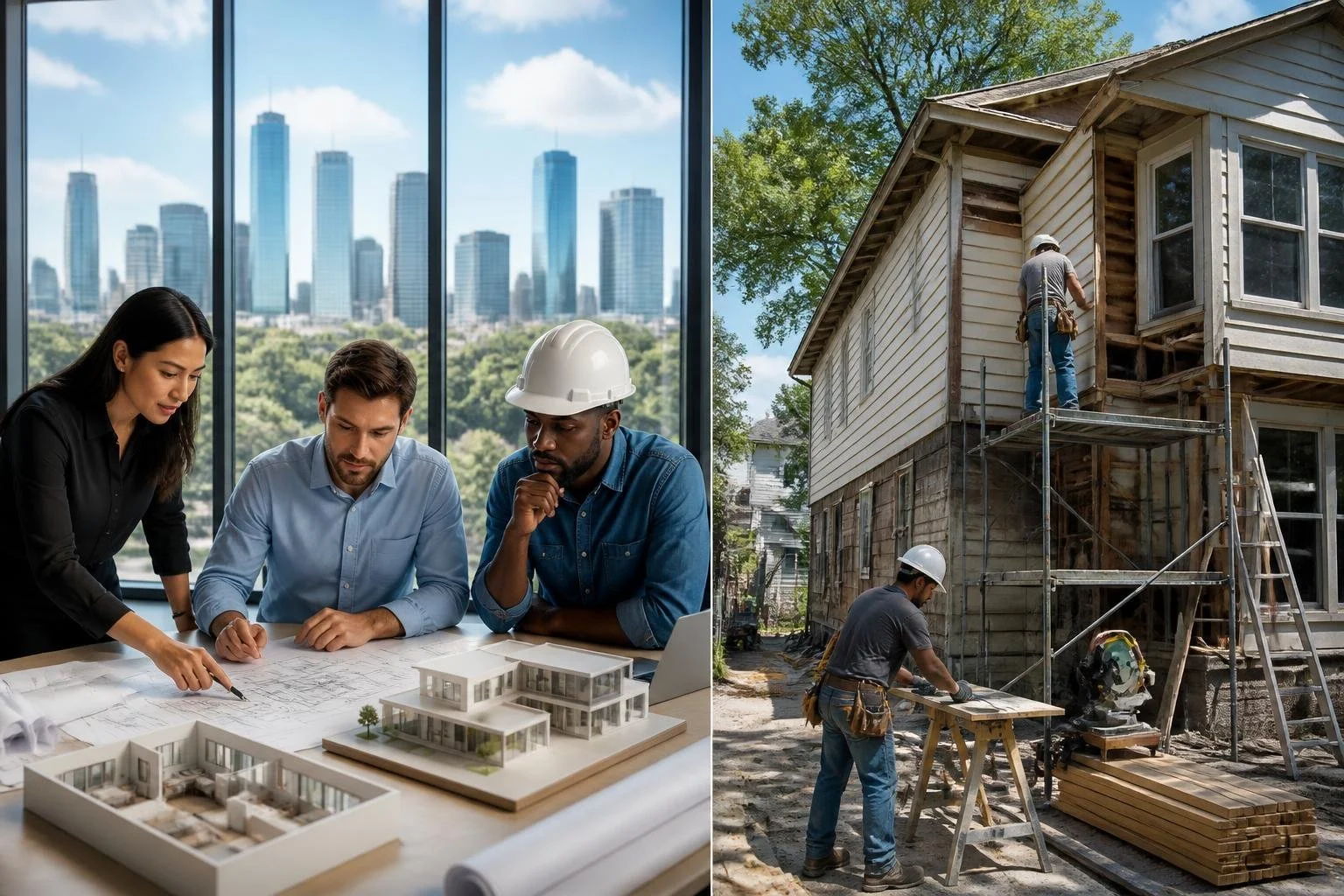
When you’re deciding between design-build and traditional remodeling in Houston, it really comes down to how you want your project managed, who you want to talk to, and how much control you need over costs and timing.
Both options can give you great results, but wow, they feel different right from the start.
Here’s the gist: design-build puts design and construction under one roof. Traditional remodeling keeps those jobs with separate people you hire and wrangle on your own. That choice affects your budget, your timeline, and honestly, how many calls you’ll make if something goes sideways.
Houston homes run the gamut, from old bungalows in Montrose to fresh builds in Sugar Land or The Woodlands. Because of that, the best approach depends a lot on your home’s age, how much you’re changing, and what you want as a homeowner.
Key Takeaways
Design-build keeps both design and construction under one contract, so communication and accountability don’t get lost.
Traditional remodeling lets you pick your designer and contractor separately, which can be nice if you want something really specific.
Your project scope, budget, and timeline will steer you toward the model that fits you best.
How the Two Remodeling Models Actually Work
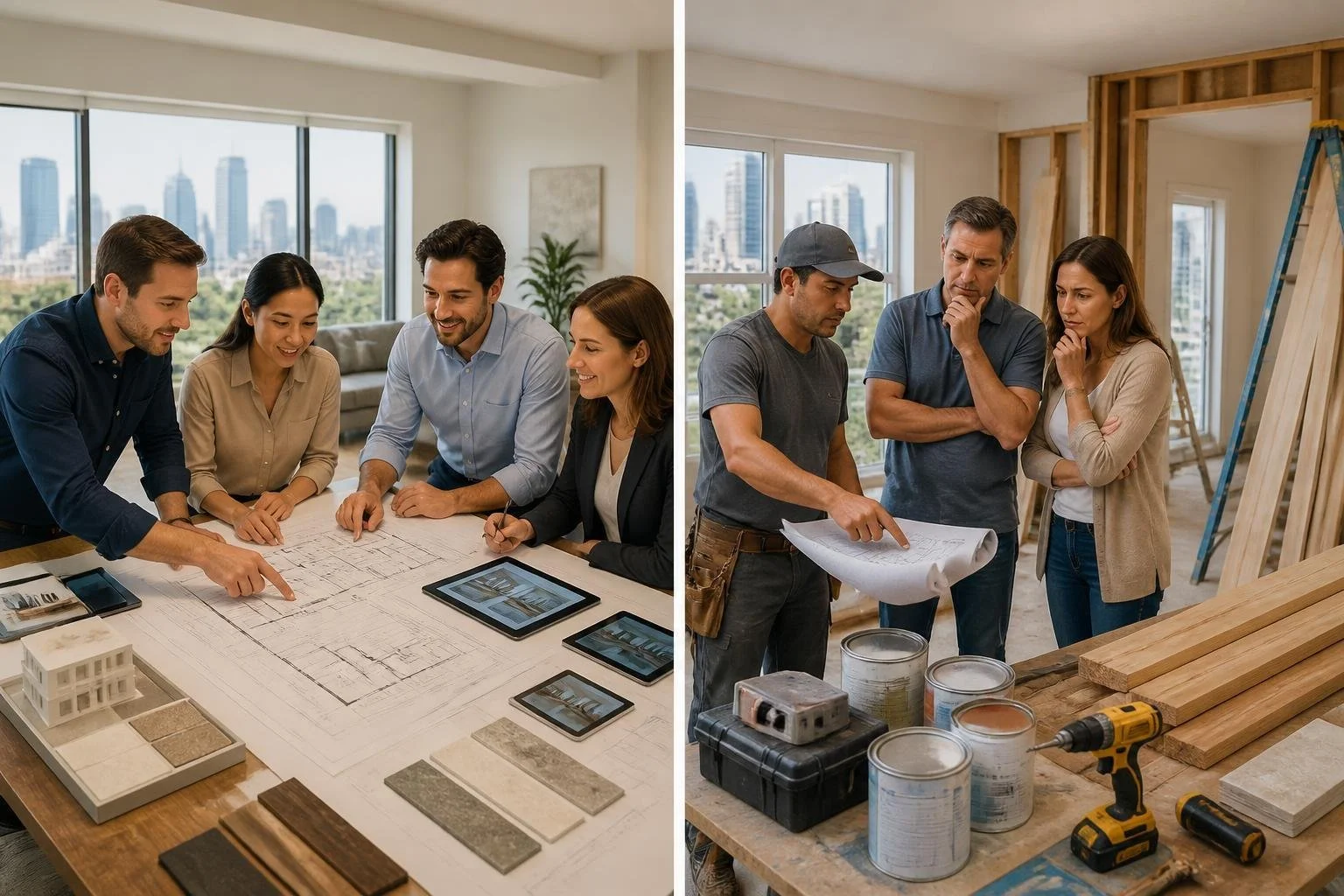
Design-build and traditional remodeling have different structures for roles, communication, and responsibility. Design and construction either work together or separately, and that shapes your whole remodeling experience.
What Design-Build Means for a Houston Home Remodel
With design-build, one company handles both the design and construction for your remodel. You work with a single team from the first idea to the final walkthrough.
Your designer and contractor sit on the same team. They plan together, spot issues early, and talk to each other, not just to you.
What Traditional Remodeling Means in a Design-Bid-Build Setup
Traditional remodeling, or design-bid-build, splits the process. First, you hire an architect or designer and finish the plans. Then, you take those plans to contractors who bid on the job.
You pick a general contractor from those bids and coordinate between them and your designer. This is the old-school way for home renovation projects.
The Difference Between One Team and Separate Designer and Contractor Roles
With design-build, you get one main contact for questions, changes, and problems. If you go traditional, you end up as the middleman between your designer and contractor, which can slow things down or create confusion.
Separate roles make sense if you already love your designer or have a contractor in mind. But things get tricky when you need quick field adjustments during the build.
Why Communication, Accountability, and One Point of Contact Matter Early
Early choices in a remodel hit costs, permits, and scheduling. If your designer and contractor work apart, changes might not reach everyone fast.
A single point of contact in design-build means fewer dropped balls. Accountability feels clearer since one company owns both the design and the build.
Which Option Makes More Sense for Your Project Goals

Your goals, budget, and timeline all point you toward one model or the other. Cost control, scheduling, and the scope of your project are the biggest things to look at.
Comparing Cost Control, Competitive Bidding, and Fewer Change Orders
Traditional remodeling lets you collect bids from several contractors, which might help you save up front. You get more price transparency at the start.
Design-build teams plan together, so you usually see fewer change orders. Fewer surprises during construction means costs stay steadier.
When comparing design-build and traditional remodeling, one of the biggest differences is how pricing and project management are handled. With a design-build approach, homeowners typically receive fixed pricing or a guaranteed maximum cost early in the process, which makes budgeting more predictable. Because the design and construction teams work together under one roof, change orders are usually less frequent and can be handled internally with greater efficiency. This integrated structure also makes overall cost control much easier to manage.
In contrast, traditional remodeling often begins with competitive bids from separate contractors after the design is completed. While this can sometimes result in lower initial estimates, change orders are more common because the designer and contractor operate independently, which can lead to miscommunication and added costs. As a result, cost control depends heavily on how well the different parties coordinate throughout the project.
How Scheduling, Project Management, and Subcontractor Coordination Affect Timelines
Design-build firms handle subcontractors themselves. That keeps the schedule tighter and the project moving without you having to manage every step.
Traditional remodeling can get bogged down if your contractor and designer need to hash out issues in the middle of the job. More handoffs mean more chances for scheduling headaches.
When to Choose Design-Build for Kitchen Renovation, Whole-Home Remodel, or Structural Changes
Design-build works especially well for kitchen remodels, whole-home renovations, and projects where you’re changing the structure. These projects need close coordination between design and what’s actually possible.
If you’re moving walls, updating systems, or changing your whole layout, a design-build team helps you avoid gaps between design and construction.
When Traditional Remodeling Still Fits Custom Homes or Independent Contractor Selection
Traditional remodeling makes sense if you already have a favorite architect or need really specialized design work. Custom home renovations sometimes need that independent designer touch.
If you’ve got contractor connections in Houston or want to run the bidding yourself, traditional remodeling gives you that freedom.
Frequently Asked Questions
What are the main differences between a design-build team and a traditional remodel with separate designer and contractor?
A design-build team handles both design and construction under one contract and point of contact. Traditional remodeling keeps those jobs separate, so you hire and coordinate a designer and contractor on your own. The big difference is who manages the back-and-forth between design and building.
Which approach typically offers better cost control and fewer change orders during a remodel?
Design-build teams usually catch conflicts before work starts, so you get fewer change orders. Traditional remodeling might give you a lower starting price through bids, but changes during the job can add costs if the designer and contractor aren’t on the same page. Your final price depends on how complicated your project is and how well everyone communicates.
How do project timelines compare between design-build and traditional remodeling for typical Houston homes?
Design-build projects often move faster because design and construction planning happen together. With traditional remodeling, you finish the design before you even start bidding, so it takes longer just to get started. On bigger Houston remodels, the design-build speed advantage really shows.
How does pricing work in design-build projects versus competitive bidding with multiple contractors?
Design-build firms usually give you a fixed price or guaranteed max after design wraps up. Traditional remodeling uses competitive bidding, so you get prices from several contractors based on your finished plans. Bidding can bring a lower build cost, but you need a complete design before you get real numbers.
What contract structures and warranties are common for each remodeling approach?
Design-build projects use one contract for both design and construction, which makes the legal stuff and warranties simpler. Traditional remodeling means separate contracts with your designer and contractor, so warranties and liability split between them. Always check what each contract covers for workmanship, materials, and design errors before you sign.
Which remodeling method is better for older Houston homes that may require structural or systems upgrades?
Most people find that design-build works better for older Houston homes, especially when there are structural or systems issues. The design-build team can adjust plans on the fly as new problems pop up.
If you discover outdated wiring, plumbing, or foundation problems, a unified design-build firm can jump in and fix things right away. You don’t have to deal with a bunch of back-and-forth between different groups.
Traditional remodeling can still get the job done, but you’ll probably run into more coordination headaches if changes impact both the design and construction.